Useful Troubleshooting for 2065386083 When Common Concerns Surface
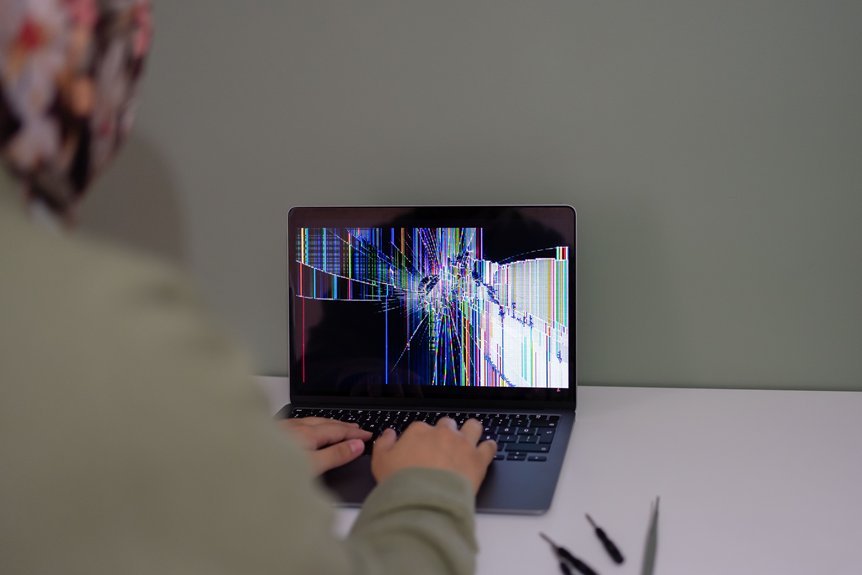
When 2065386083 shows common concerns, first identify the symptom and its likely cause. Use quick, low-risk checks to restore baseline function and confirm patterns. Focus on recent changes, logs, and reproducible behavior to surface root clues. If issues persist, pursue deeper diagnostics and document findings for traceability. This approach leads to actionable fixes and preventive practices, but the next steps require careful evaluation to avoid unnecessary disruption.
Identify the Symptom and Its Likely Cause
A symptom is the outward sign of an underlying issue, and identifying it helps narrow potential causes. The discussion details the apparent symptom, its likely cause, and how system behavior guides interpretation. A disciplined diagnostic approach separates noise from signal, outlining observable indicators, reproducible patterns, and context. Clarity, structure, and concise reasoning empower responsible, freedom-minded assessment without overreach.
Quick Checks to Restore Baseline Function
Quick_checks go straight to practical, low-risk steps that reestablish baseline behavior after a fault or anomaly. The process emphasizes a structured approach: identify symptom, confirm likely cause, and perform quick restores. If results persist, note deeper diagnostics options without detailing them here. Look for root cause clues in recent changes, and log outcomes to guide future adjustments and maintain freedom from recurring issues.
Deeper Diagnostic Steps and Root-Cause Clues
Deeper diagnostic steps build on the baseline checks by systematically narrowing possible causes through targeted analysis and evidence collection. The approach emphasizes diagnostic patterns observed across tests, logs, and user reports, translating them into plausible hypotheses.
Attention then shifts to corroborating data, identifying consistent root cause clues, and excluding alternatives with disciplined verification to ensure a concise, defensible conclusion.
Practical Fixes and Preventive Best Practices
Practical fixes and preventive best practices translate diagnostic insights into actionable steps that reduce recurrence and downtime. The approach emphasizes documented issue mapping to align symptoms with root causes, enabling repeatable workflows and quicker remediation.
Emphasis on data integrity ensures safer fixes and verifiable results. Regular reviews, parameter controls, and automated validation protect systems, while freedom-minded teams reduce risk through disciplined, minimalistic processes.
Frequently Asked Questions
What Are Unlikely but Possible Consequences if This Issue Recurs?
However, potential consequences are unlikely but possible if it recurs: unrelated hardware could become misaligned, and error logging may misrepresent events, hindering diagnosis. This scenario invites silent drift, reduced confidence, and scattered troubleshooting momentum across systems.
Can This Problem Affect Other Devices on the Network?
Devices may echo disturbances to neighboring nodes; a noisy network can propagate issues, and firmware compatibility influences cross-device behavior. The problem potentially affects others on the network, though containment depends on segmentation, updates, and vigilant monitoring for cascading symptoms.
Is There a Safe Workaround Without Losing Data?
A safe workaround exists that preserves data: follow documented steps to minimize risk, back up critical files, and use non-destructive tools. It prioritizes Data preservation while allowing users to maintain control and freedom in resolution.
How Long Should I Monitor Before Calling Support?
Monitoring duration should be at least 24 hours in typical cases, after which support contact timing is advised if issues persist or worsen. The evaluator emphasizes timely escalation and clear documentation for efficient support contact timing.
Are There Firmware or Software Updates That Might Ignore This Issue?
Firmware updates and software updates may address the issue, though certainty varies. The device could benefit from updates, yet no guarantees are stated; the system should be monitored, and user discretion applies, as improvement depends on vendor support and timing.
Conclusion
In the theater of systems, a flickering bulb signals a losing filament rather than a haunted stage. The troubleshooters watch for the ember of change, tracing every spark from recent edits to stubborn errors. They swap the dimming bulb with a steady glow, then test each act until the chorus aligns. When baseline returns, they log the scene, seal the script to prevent repeats, and file away lessons like seeds for a sturdier tomorrow.